DE
DE
 ES
ES
 PT
PT



Antigua and Barbuda licensing
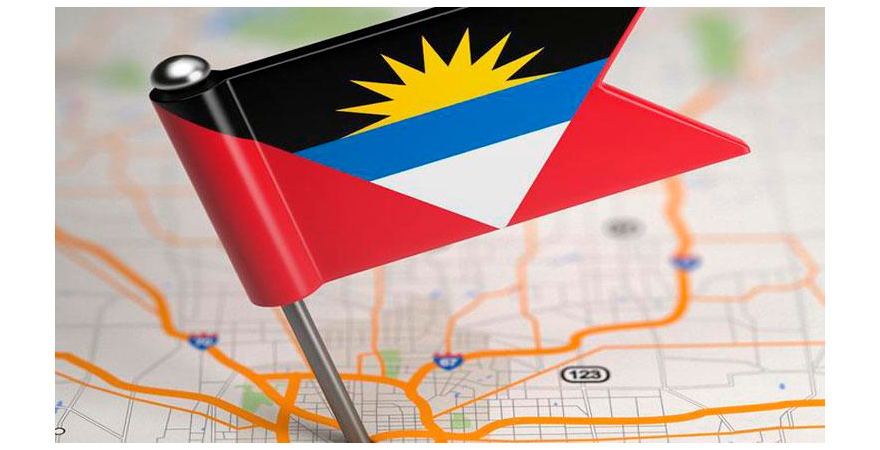
Antigua and Barbuda regulates online gambling through the FSRC's Division of Gaming, and was one of the first jurisdictions to license interactive gaming and wagering companies, starting in 1994. The framework covers two licence categories — Interactive Gaming and Interactive Wagering — issued under the International Business Corporations Act and the Interactive Gaming and Interactive Wagering Regulations. Below: licence types, costs, requirements, AML/KYC obligations, hosting rules, application and verification. For a broader overview of regulated jurisdictions, see our casino licences section.
What Is an Antigua and Barbuda Gambling Licence?
The FSRC's Division of Gaming, through the Directorate of Offshore Gaming, licenses and supervises offshore interactive gaming and wagering. Internet gaming companies are classified as financial institutions for AML purposes, so they fall under the Money Laundering Prevention Act and Prevention of Terrorism Act alongside standard gaming regulation. The framework is built around three stated priorities: money laundering prevention, player protection, and industry enhancement.
| Feature | Details |
| Regulator | FSRC – Division of Gaming |
| Jurisdiction | Antigua and Barbuda |
| Main Licence Types | Interactive Gaming, Interactive Wagering |
| Online Casino | Yes |
| Sports Betting | Yes |
| Public Licensee List | Yes |
| AML/KYC Requirements | Yes |
| Official Seal | Preferential Seal |
Types of Antigua and Barbuda Gambling Licences
Interactive Gaming Licence
An Interactive Gaming licence authorises online casino-style activity — games of chance and similar interactive gaming products offered to players over the internet. It's the licence category that covers what most people mean by an "online casino licence."
Interactive Wagering Licence
An Interactive Wagering licence authorises sports betting and other wagering activity conducted online. The FSRC's public licensee list shows companies holding either category alone, or both together — a business running both an online casino and a sportsbook typically holds both licences, each with its own validity date rather than one combined authorisation.
Antigua and Barbuda Gambling Licence Requirements
Applicants have to show good character, honesty and integrity, sound financial standing, business reputation, and appropriate technical and business capability. The same review applies to directors, partners, the CEO, and any shareholder holding 5% or more of the company. Beyond that, the FSRC expects a commitment to maintaining physical presence in the jurisdiction, policies against underage gambling, procedures addressing problem gambling, and AML/CFT compliance. External audits cover solvency, safety and soundness, player protection and AML/CFT compliance together. Sublicensing is prohibited, and a licence isn't transferable between companies.
Hosting and Server Requirements
Antigua ties hosting rules to specific licence conditions rather than one blanket rule. A company must be incorporated under the International Business Corporation Act, with primary servers located in Antigua and Barbuda holding player information, game history, financial history and current liabilities. For operators additionally qualifying for the Preferential Seal, the FSRC requires physical corporate headquarters in Antigua and Barbuda alongside that primary server — a stricter combined standard, not automatic for every licensee. At least one director must reside in the jurisdiction, and most management-level key persons are expected to reside locally too.
How to Apply for an Antigua Gambling Licence
The FSRC publishes a defined application process using prescribed forms.
- Prepare the corporate structure under the International Business Corporation Act.
- Submit the application form and business entity information.
- Provide personal information for directors, key persons and 5%+ shareholders.
- Complete personal and corporate due diligence.
- Submit financial and operational information.
- Provide AML/KYC procedures and policies.
- Pay the non-refundable investigation deposit.
- Complete the Commission's regulatory review.
- Set up the approved hosting and operational structure.
- Receive approval and pay licence fees before launching regulated activity.
The Commission aims to decide within 60 days of a complete application — granting it, denying it, or requesting more information — though this is a target rather than a guaranteed turnaround.
Antigua Gambling Licence Costs and Fees
Current FSRC figures set the non-refundable investigation deposit at US$15,000, covering due diligence costs, with further deposits possible if review costs more. Annual licence fees are US$100,000 for Interactive Gaming and US$75,000 for Interactive Wagering, payable before the licence is issued. Separately, applicants must provide a reserve of at least US$100,000, held in a Commission-established account to secure prize payments and player funds — a solvency safeguard, not part of the licence fee. The Commission may allow payment plans at its discretion.
AML, KYC and Player Protection
Because gaming companies are classified as financial institutions, they're subject to the Money Laundering Prevention Act, the Prevention of Terrorism Act, and CFATF-aligned standards, alongside gaming-specific rules. Required measures include Know Your Customer procedures, customer due diligence, and monitoring and reporting of suspicious activity. Player protection sits within the same structure: policies against underage access, problem-gambling safeguards, and external audits reviewing solvency and compliance together. None of this guarantees a dispute-free experience — it means a licensed operator answers to defined, ongoing checks. Players should still review available payment methods, withdrawal conditions and processing rules at the specific casino.
How to Verify an Antigua Gambling Licence
Verification runs through the FSRC's own published information rather than a badge alone.
- Find the operator's exact legal company name.
- Open the official FSRC gaming licensee list.
- Check whether the company appears as an active licensee.
- Confirm which licence type it holds — Interactive Gaming, Interactive Wagering, or both.
- Check the licence validity date.
- Compare the listed domain with the casino's actual website.
- If a Preferential Seal is displayed, click it to confirm it resolves to the FSRC's own validation page.
Antigua Licence vs Curaçao Licence
The two frameworks differ in structure more than in strictness.
| Feature | Antigua and Barbuda | Curaçao |
| Regulator | FSRC Division of Gaming | Curaçao Gaming Authority |
| Main Structure | Interactive Gaming / Interactive Wagering | Current LOK framework |
| Public Licensee Information | Yes | Yes |
| AML/KYC | Yes | Yes |
| Hosting Model | Antigua-specific server and residency rules | Different technical framework |
Antigua requires local servers and at least one resident director; Curaçao's current framework runs under its own licensing authority with its own technical requirements. Neither structure is inherently stricter — they simply apply different rules. More information about the current Curaçao system is available in our Curaçao casino licence guide.
Antigua Licence vs MGA Licence
The MGA runs a B2C/B2B licensing model built around Malta's framework, while Antigua splits authorisation by activity type — Interactive Gaming versus Interactive Wagering. Both require AML/KYC compliance and ongoing supervision, but structure, technical requirements and market access differ. Neither licence is categorically better than the other.

















 Germany